• info@semsllc.com

• Mumbai Metro Line 3 - India

The Project Experience Summary Report from Sustainable EMS LLC details the company's key contributions to Mumbai Metro, India's first fully underground metro corridor.
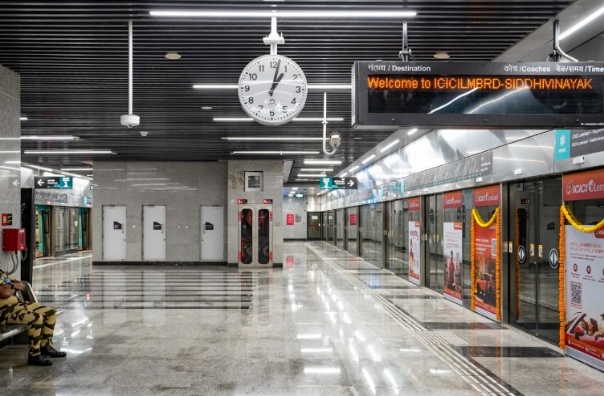
Mumbai Metro Line 3 Official
  • • Fully Underground
  • • Length: 33.5 Km (Twin 5.8 m tunnels)
  • • Stations: 27 (26 U/G + 1)
  • • Completion Cost: USD 5 Billion
  • • ROD OCT 09th, 2025.

o Project Scope: Sustainable EMS LLC handled structural model review, clash detection, and multi-package civil works across 7 contracts using NATM tunneling in dense urban areas. The corridor links business hubs like Cuffe Parade, BKC, and CSIA Airport.

o Key Achievements: Phased openings since 2024 achieved 1.46 lakh inaugural day ridership in October 2025, growing 6.84% daily, with 5-minute headways and digital ticketing via WhatsApp/Mumbai One app. It cuts commute times (e.g., 25 mins BKC-CSMT) and shifts 10% from buses/taxis.

o Impact and Future: The project boosts urban mobility for 2.9 million ultimate daily passengers, praised by PM Narendra Modi and MMRCL for efficiency. Sustainable EMS LLC's expertise in complex infrastructure positions it for metro/rail expansions.
• Kolkata Metro Corridor - India

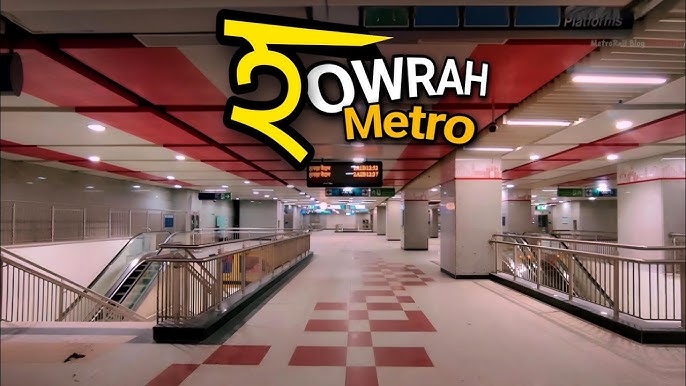
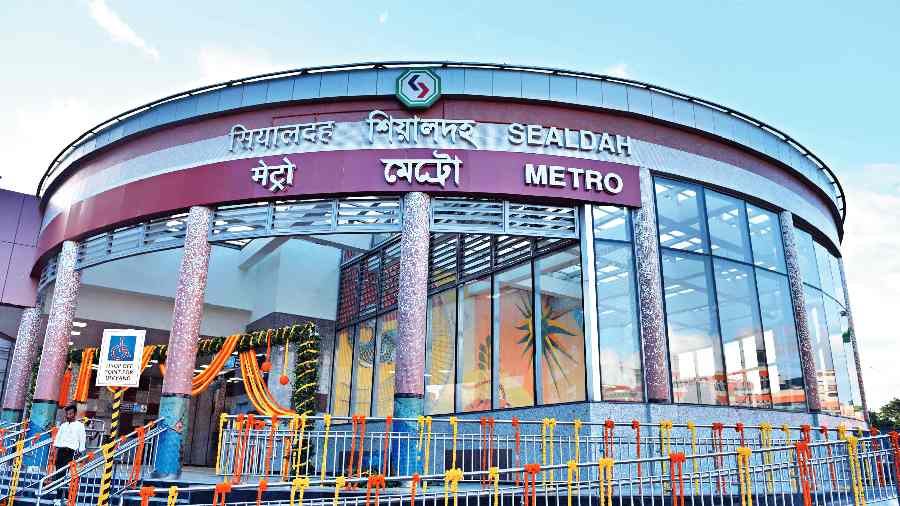
The Kolkata East-West Metro Corridor from Howrah Maidan to Salt Lake Sector V spans 14.67 km, featuring six underground stations (Howrah Station, Mahakaran, Central Station, Sealdah, Phool Bagan) and six elevated stations (Salt Lake Stadium, Bengal Chemicals, City Center, Central Park, Karunamoyee, Salt Lake Sector V).

Kolkata East-West Metro Official

o TOD Study Role: As part of the General Consultant Consortium, a key focus is the Transit Oriented Development (TOD) study to generate revenue at stations, integrate property development with station design, foster surrounding precinct growth, and maximize transport node benefits.

o TOD Solutions: TOD at stations includes diverse retail, entertainment, commercial, medical, service, and office uses. New infrastructure catalyzes high-density precinct development, boosts public transport access and ridership, raises permissible FAR, provides alternative revenue, and enhances long-term economic viability.

o Selected Stations: Four elevated stations target property development: Bengal Chemicals, City Center, Karunamoyee, Salt Lake Sector V. At Salt Lake Sector V, three floors are proposed due to strong commercial demand.

o Financial Feasibility: TOD yield a $6.44 million USD premium beyond station costs. With 11% interest over 30 years, the Net Present Value for elevated stations reaches approximately $96 Million USD.

• Delhi Metro Rail Corporation (DMRC) - India

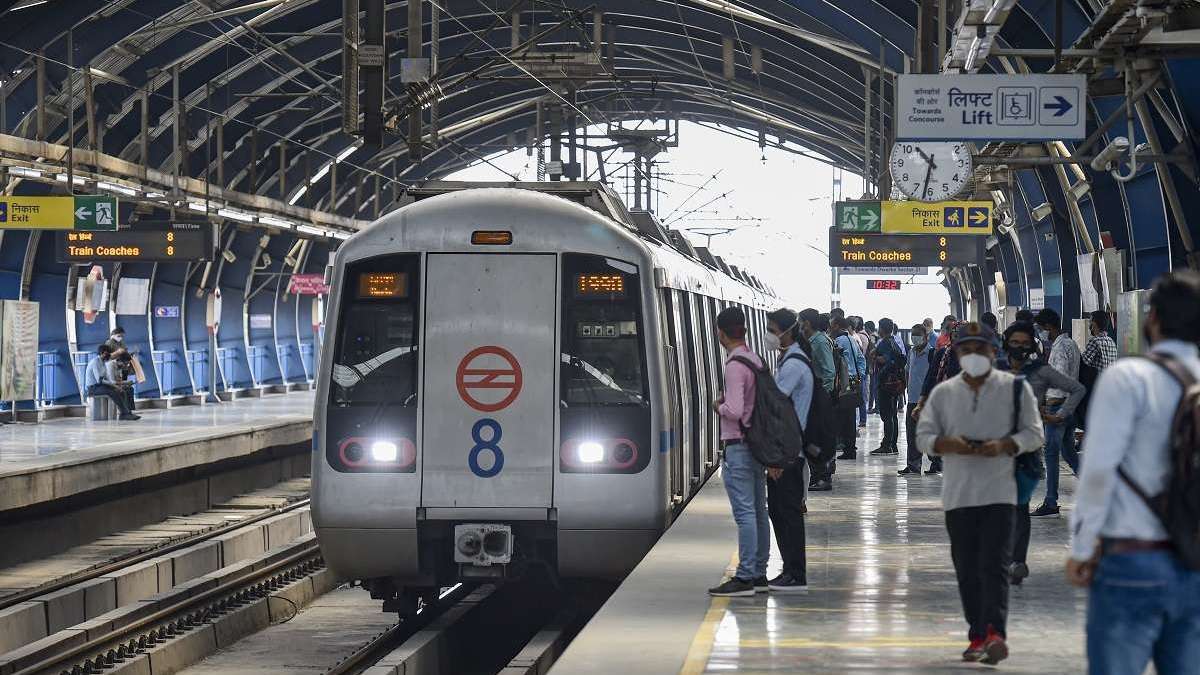
In partnership with the United States Agency for International Development (USAID), the ISO 14001 framework for Environmental Management Systems (EMS) was introduced to the Delhi Metro Rail Corporation (DMRC).

DMRC Network official

DMRC took on the challenge of aligning its environmental practices with ISO 14001 standards and became the first metro system in the world to achieve certification during Planning and Design, and the second globally after New York City Transit.

Today, Delhi Metro serves as a benchmark for other Indian metros striving for sustainable mass transit. Under a USAID-supported program, green design concepts were incorporated into Phase II of DMRC, which expands the network by 58 km with 48 stations, increasing ridership from 1.15 to 2.67 million per day. Working with DMRC’s senior executives, a guidance manual was developed to identify sustainable strategies in energy efficiency, material conservation, indoor air quality, water management, and operations—aiming to reduce the environmental footprint through holistic, cost-effective green design with measurable performance indicators and life cycle cost analysis.

• Regional Rapid Transit System Delhi - India

The National Capital Region Planning Board proposes eight RRTS corridors under the 2021 plan, with tasked for station design.

Delhi RRTS official

o Project Scope: The $30 billion system serves settlements like Gurgaon, Delhi, Rewari, and Alwar, while boosting industrial complexes such as Bawal, Dharuhera, Bhiwadi-Tapookara-Kushkhera, and Manesar; it remains in the feasibility assessment stage.

• Transit Oriented Development (TOD), Delhi – India

Transit Oriented Development (TOD) is a growing approach to creating vibrant, livable, and compact communities centered around high-quality train systems. It encourages walkable lifestyles and reduces dependence on cars, improving overall urban quality of life.

TOD Delhi official

Key factors driving TOD include increasing traffic congestion, dissatisfaction with suburban sprawl, and demand for quality urban living, preference for walkability, changing family structures, and national support for Smart Growth.

• Dwarka Sector 21 & 9, New Delhi:

TOD studies were undertaken for DMRC at these metro station areas to develop sustainable design frameworks that promoted environmentally sensitive growth and enhanced urban quality. The scale of investment has exceeded a billion dollars, with a $200 million hotel and convention center constructed by the Taj Group.

• Sushant Lok Metro Station, Gurgaon:

A comprehensive study was carried out to plan this area as a major transport hub near upcoming rail, bus, freight, and airport facilities. Objectives included proposing cost-effective, sustainable development, increasing DMRC ridership, reducing parking needs, and creating mixed-use, pedestrian-friendly environments. Sustainable development guidelines and scale comparison research were incorporated, alongside cost analysis indicating on investment. The Master Plan aimed to transform the station area into a major urban node with enhanced pedestrian connectivity and active public spaces.

• District Department of Transportation Washington - USA

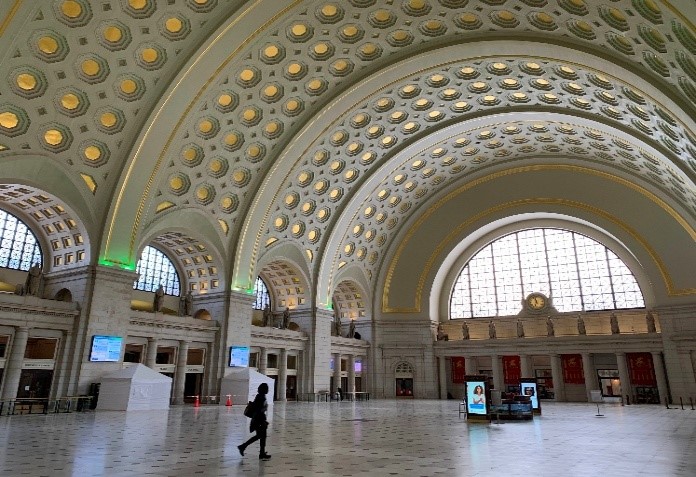
Prime task was to develop an Environmental Management System (EMS) to provide DDOT with a structured, quantifiable system for managing environmental issues and integrating the environmental impacts of all its five administrations.

Washington DOT Image

The administrations include Infrastructure Project Management Administration (IPMA), Traffic Service Administration (TSA), Transportation Policy and Planning Administration (TPPA), Urban Forestry Administration (UFA) and Public Space Management Administration (PSMA). Provide the DDOT employees, contractors, consultants and other stakeholders a comprehensive tool to manage environmental risk as well as to promote and protect the health, safety, and welfare of the citizens served by DDOT.

• Traffic & Transportation Master Plan- Siliguri Jalpaiguri - India

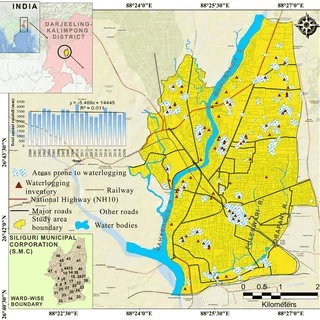
The Siliguri-Jalpaiguri Planning Area (SJPA) in West Bengal serves as a key gateway to Northeast India, acting as a hub for resource distribution amid rapid growth.

Siliguri Image

The Traffic & Transportation Master Plan (TTMP) by the Siliguri-Jalpaiguri Development Authority (SJDA) aims to deliver sustainable, integrated transport and land use solutions. It promotes seamless inter-modal connectivity for safe, efficient travel while boosting productivity, quality of life, and minimal environmental impact through PPP frameworks, innovative funding like tolls and parking fees, and clear state investment policies in public transport.

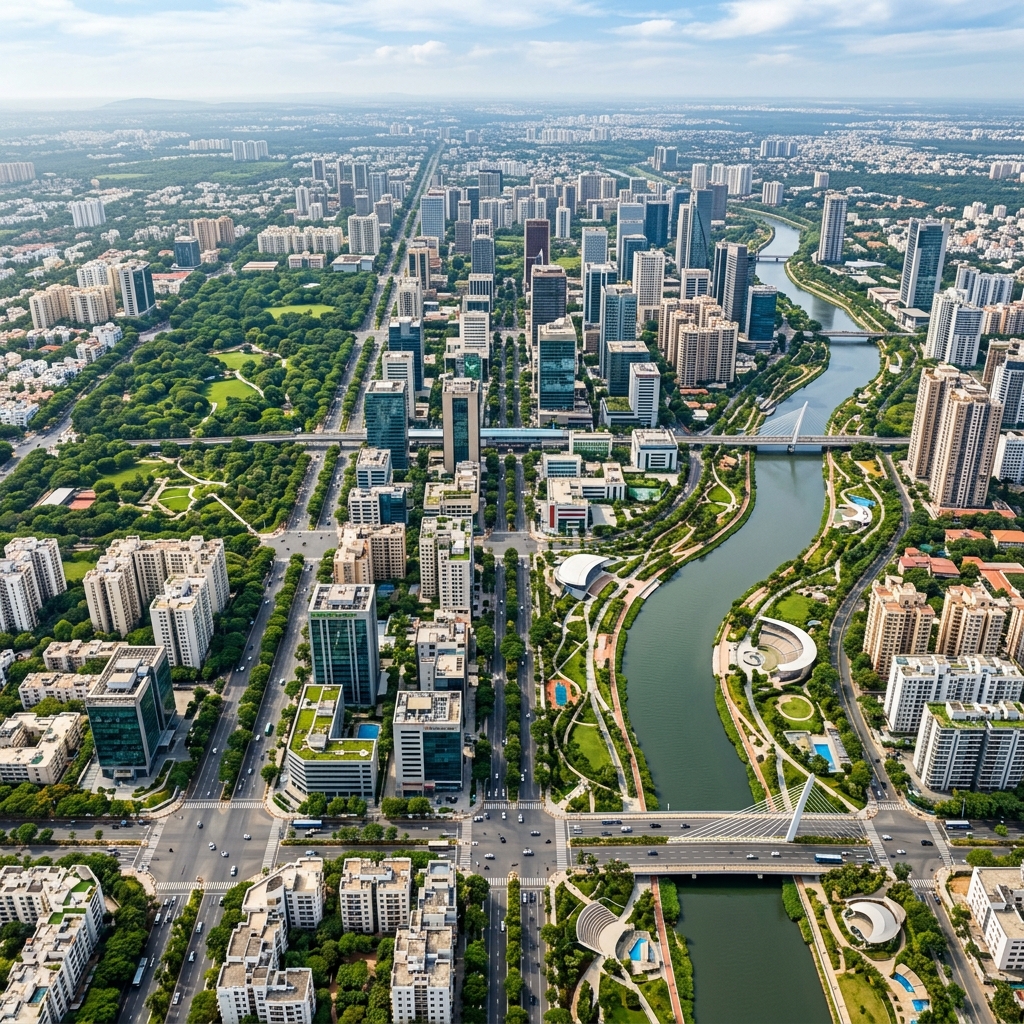
• Other International Metro Projects (Seattle and Others)

There is also exposure to international metro systems in cities such as Seattle and others, emphasizing:

Seattle Image
  • o Sustainability and energy-efficient design;
  • o Passenger-centric layouts and amenities;
  • o Seamless multimodal integration; and
  • o Long-term asset performance and lifecycle optimization.

• Comprehensive Mobility Plan of Kolkata – India

Kolkata faces severe traffic congestion and rising accidents, worsened by surging private vehicles despite government efforts. The Comprehensive Mobility Plan (CMP) for Kolkata Metropolitan Area (KMA), launched by West Bengal Government, targets these issues through integrated transport strategies up to 2025 under the "Back to Basics" slogan. It requires over $1.2 billion USD in investments over 18 years to enhance economy, safety, and quality of life.

Kolkata CMP official
o Core Vision:

CMP aims for seamless inter-modal transfers connecting mass transit, roads, and non-motorized options safely and efficiently. It promotes minimal environmental impact while boosting city productivity and livability.

o Key Strategies
  • • Extend north-south metro and add east-west corridor for better mass transit network.
  • • Improve road services, regional roadways, port access, and introduce IT’S for congestion control.
  • • Shift modal split from private vehicles to pedestrian/mass transit.
o Investment Focus:

The plan identifies funding via innovative methods like Clean Development Mechanism for mass transit redevelopment. Investments cover existing assets to deliver high-capacity systems and citizen-centric mobility over the long term.

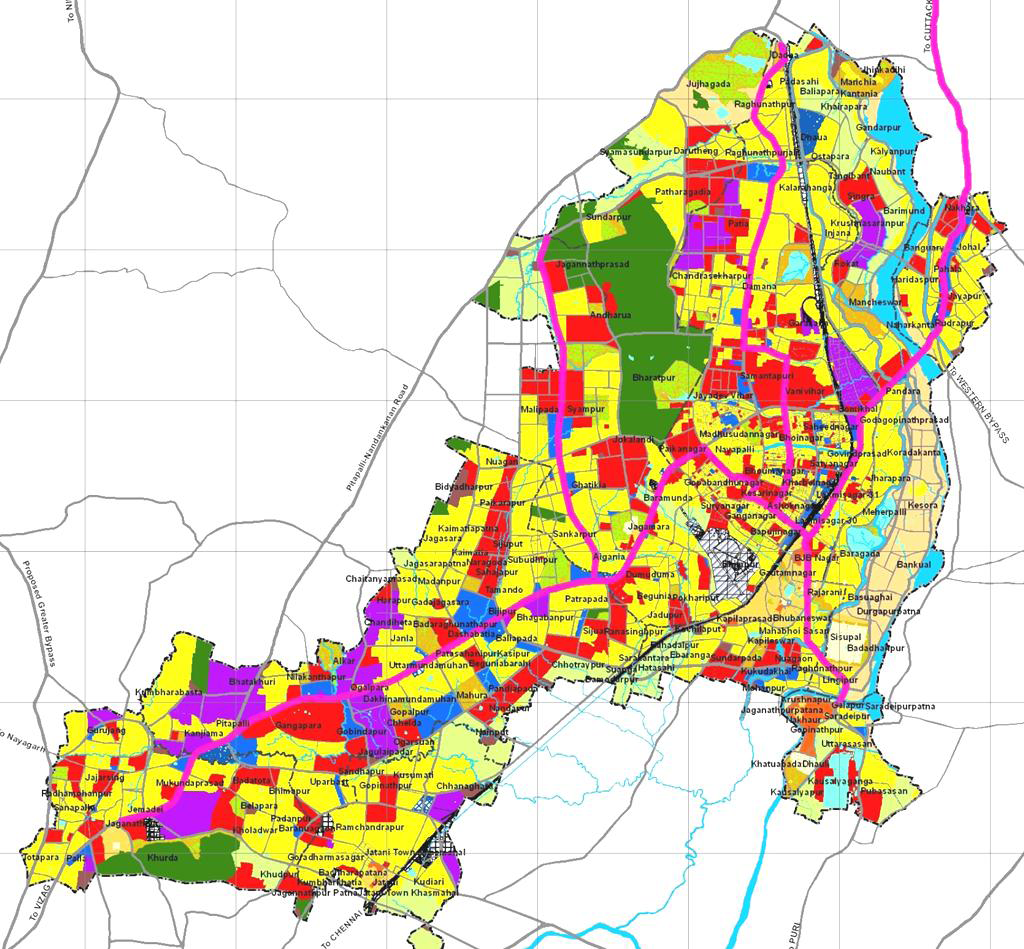
• Integrated Comprehensive Mobility Plan (ICMP) project – Odisha, India.

The project centers people-first urban planning to create livable cities that drive economic growth while adapting to local geography. Key goals include integrated land use-transport planning, minimizing travel demand, equitable road space allocation, pedestrian prioritization, public transport promotion, multi-modal systems, Intelligent Transport Systems (ITS), road safety improvements, and pollution reduction.

Odisha Cultural Heritage
Core Objectives
  • • Promote modal shift to public and non-motorized transport.
  • • Develop quality multi-modal systems with ITS for traffic management.
  • • Enhance safety, trauma response, and environmental sustainability through better enforcement and technology.
o Key Components

Proposals span short-term (Bus route rationalization, ITS enforcement cameras, parking augmentation, bicycle/pedestrian tracks), medium-term (Rest areas, bus terminals, water sports), and long-term (Road widening, lighting master plans, railway upgrades).

• Landmark Township Greater Noida – India

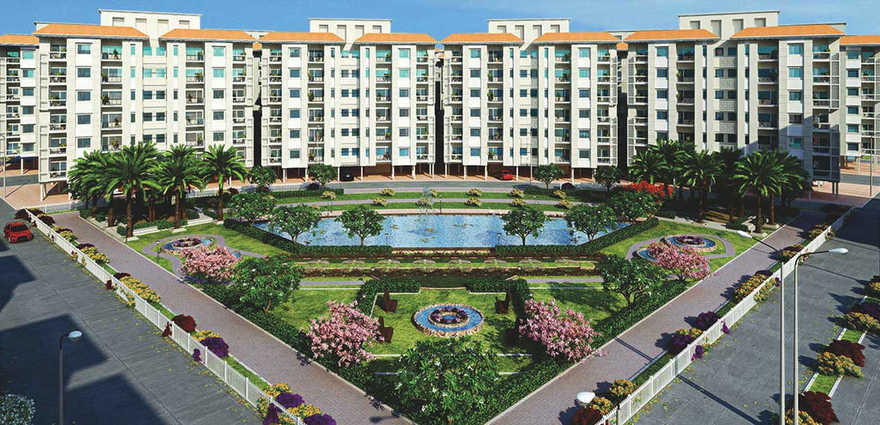
Landmark Township by OPUS Properties in Greater Noida, NCR, is envisioned as an iconic development just 40 minutes from New Delhi via Expressway. The township offers plots, villas, and mixed-use residential and commercial spaces.

Greater Noida Landmark official

Designed as a modern community, it features a lake view, central vista, integrated neighborhood planning, groundwater management, rainwater harvesting, earthquake-resistant structures, and universal design with Vaastu compliance.

Its design vision focuses on creating a sustainable environment with minimal ecological impact, emphasizing parks, playgrounds, road buffers, porous pavements, and greenways connecting neighborhood units.

• Master Plan of Jamshedpur, Jharkhand – India

Jamshedpur, also known as Tatanagar, is a major Tata industrial hub and one of eastern India’s most important planned steel cities, anchored by Tata Steel, Tata Motors and several other Tata Group enterprises.

Jamshedpur Master Plan official

The Master Plan of Jamshedpur Urban Agglomeration (JUA), 2027 builds on this strong Tata-led industrial base and outlines policies for 20 years to improve living conditions and manage urban growth. It focuses on planned land use, better housing, efficient transport, upgraded utilities, solid waste management, sewerage and drainage systems, and the provision of parks, recreation, and community facilities, while leveraging the city’s status as a key Tata-driven manufacturing and employment centre. The plan also emphasizes environmental sustainability, economic initiatives, and strong administrative structures

• Master Plan of Hanumangarh, Rajasthan – India

The Hanumangarh Master Plan (2017-2035) guides planned urban growth for the Rajasthan city, split by the Ghaggar River into East and West areas, projecting population rise from 175,028 (2011) to 363,700 by 2035 across 16,937 hectares in 44 gram panchayats.

Rajasthan Architecture

It allocates 7,692 hectares for development—37.76% residential, 5.44% commercial, 5.11% industrial—with 7 key sectors emphasizing wide roads (30m+ ROW), riverside promenades, green belts, and infrastructure like drainage and parking to tackle congestion, water scarcity, and unplanned sprawl from agriculture-to-trade shifts. Implementation by the Municipal Council prioritizes high-density housing, EWS plots, food processing industries, and court-mandated floodplain protections for sustainable expansion.

Dedicated to Sustainable Mass Transit

We are ready to shape the future of Sri Lanka's infrastructure with global success models.

Connect With SEMS LLC